OSB (Oriented Strand Boards)
< Return to materials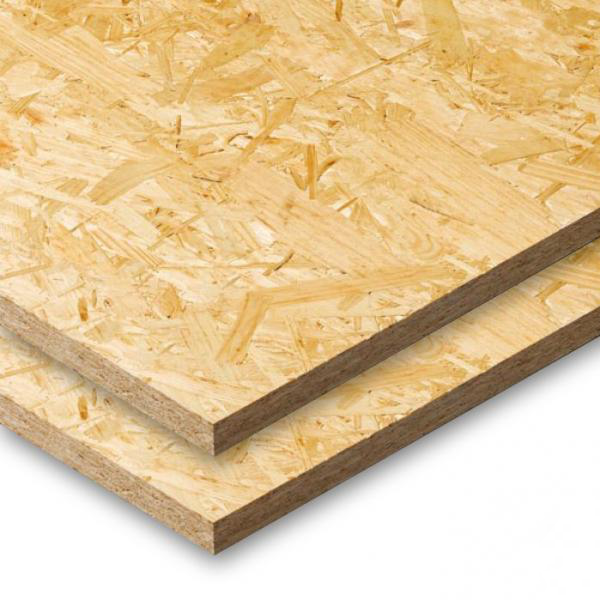
Characteristics of Oriented Strand Board (OSB):
OSB is an engineered wood panel made from large, flat wood strands that are oriented in layers and bonded together with adhesive. It exhibits several distinctive characteristics:
Structural Strength: OSB is known for its exceptional structural strength, making it suitable for furniture components that require stability and durability.
Consistency: OSB panels have a consistent and uniform surface, which is ideal for creating furniture pieces with a smooth finish.
Cost-Effective: OSB is often more cost-effective than other engineered wood products, making it an economical choice for both consumers and manufacturers.
Dimensional Stability: OSB maintains its shape and dimensions, ensuring that furniture pieces remain flat and sturdy.
Advantages of OSB in Furniture Design:
The use of OSB in furniture design offers several advantages:
Strength and Durability: OSB's structural strength and stability make it an excellent choice for furniture components that require resilience and load-bearing capabilities.
Affordability: OSB is one of the most budget-friendly materials for furniture production, providing a cost-effective option for consumers.
Customization: OSB can be finished with veneers, laminates, or paint to achieve specific design aesthetics and color preferences.
Versatility: OSB's versatility and strength allow it to be used in a variety of furniture applications, from tabletops to storage units.
Challenges and Considerations:
While OSB offers numerous advantages, there are some considerations and challenges:
Moisture Sensitivity: OSB is sensitive to moisture and direct water contact, which can cause swelling and damage.
Aesthetics: OSB's appearance is characterized by the wood strands and may not suit all design styles or aesthetics.
Influence on Furniture Design:
OSB's influence on furniture design is versatile:
Modern and Industrial Styles: OSB aligns well with modern and industrial furniture designs, as its structural strength and raw appearance complement these aesthetics.
Economical Furniture: OSB is commonly used in budget-friendly furniture, making it an affordable choice for consumers.
Storage Solutions: OSB is often employed in creating storage solutions like shelving units and cabinets due to its strength and cost-effectiveness.
Contemporary Trends:
OSB's significance in furniture design aligns with contemporary trends:
Sustainability: The emphasis on sustainability has led to the increased use of OSB made from wood strands sourced from certified sustainable forests.
Mixed Materials: Combining OSB with other materials, such as metal or glass, is a trend that creates unique and versatile furniture pieces.
Raw and Industrial Aesthetics: OSB's raw appearance aligns well with the trend for industrial and minimalist design, emphasizing functionality and a modern, utilitarian look.
In conclusion, Oriented Strand Board (OSB), with its unique characteristics, strength, cost-effectiveness, and versatility, plays an essential role in furniture design and production. Its influence spans various design styles, particularly in modern and industrial furniture. As sustainability and eco-conscious practices continue to shape the industry, the role of OSB in producing economically friendly, stylish, and high-quality furniture remains a pivotal aspect of the interior furnishings landscape.



Follow us on Instagram
Stay updated with all that is exciting and new in the furniture industry world.
Follow us on Instagram
Stay updated with all that is exciting and new in the furniture industry world.