Accessories
< Return to materials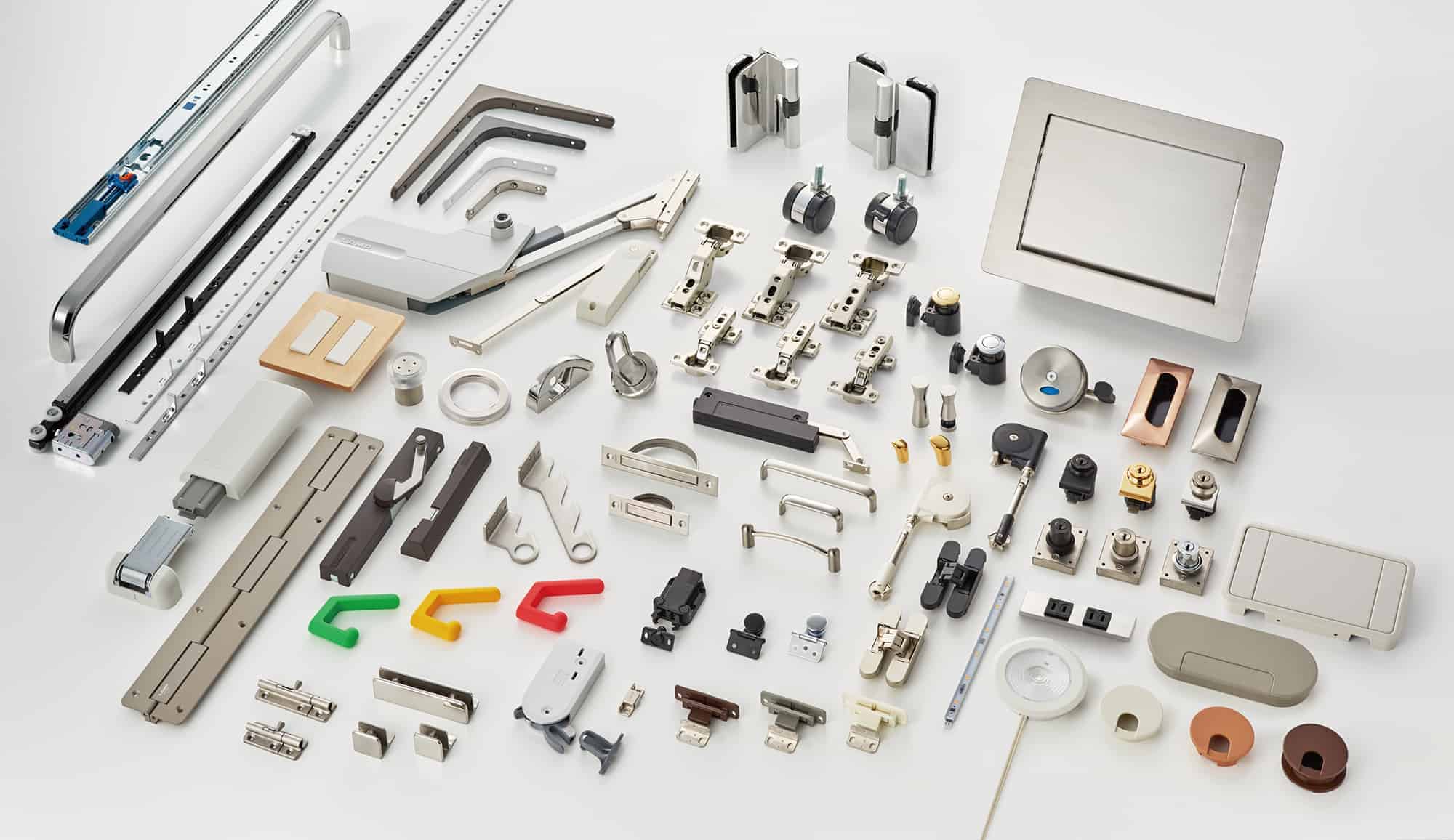
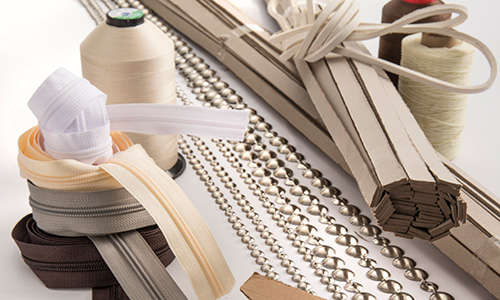
Accessories are essential components in furniture design and production, offering functionality, aesthetics, and personalization.
Characteristics of Accessories in Furniture Design:
Accessories in furniture design encompass several key characteristics:
Functionality: They serve practical purposes, such as storage, lighting, or comfort enhancement, contributing to the overall usability of furniture.
Aesthetics: Accessories add decorative elements, texture, and color to furniture, enhancing its visual appeal and complementing the design theme.
Personalization: Accessories can be selected to reflect the individual style, preferences, and personality of the owner.
Versatility: They can be easily added or replaced, allowing for quick and cost-effective updates to furniture.
Advantages of Accessories in Furniture Design:
The use of accessories in furniture design offers several advantages:
Customization: Accessories offer a simple yet effective way to personalize furniture, creating a unique look that aligns with individual style and preferences.
Functionality: They enhance the practicality and utility of furniture, making it more convenient and user-friendly.
Aesthetic Enhancement: Accessories can transform the visual appeal of furniture, providing opportunities to coordinate with interior design elements and create a cohesive look.
Versatility: Accessories allow for easy updates to furniture, adapting it to changing needs and design trends.
Challenges and Considerations:
While accessories offer numerous advantages, there are some considerations and challenges:
Quality Control: Ensuring that accessories are of high quality and durable is essential to maintain their functionality and aesthetics.
Compatibility: Accessories should be selected to complement the design and style of furniture, requiring careful coordination.
Influence on Furniture Design:
Accessories have a profound influence on furniture design:
Design Coherence: Coordinating accessories with the furniture design enhances design coherence and creates a cohesive and harmonious interior.
Function-Driven Design: The functionality of accessories can drive furniture design, as designers integrate storage solutions, lighting elements, and other features.
Artistic Expression: Accessories can serve as artistic elements that convey specific themes, moods, and narratives.
Contemporary Trends:
The significance of accessories in furniture design aligns with contemporary trends:
Sustainability: Environmentally friendly and sustainable materials and manufacturing processes are prioritized, ensuring responsible sourcing and minimal environmental impact.
Modularity: Modular furniture with interchangeable accessories allows for customization and adaptation to changing needs.
Technology Integration: Accessories with integrated technology, such as charging ports or smart features, are increasingly popular.
In conclusion, accessories, with their personalization opportunities, functionality, and design versatility, play a pivotal role in furniture design and production. Their influence spans various design styles, from artistic and eclectic to minimalist and classic aesthetics. As sustainability and eco-conscious practices continue to shape the industry, the role of accessories in producing environmentally responsible, stylish, and high-quality furniture remains a vital aspect of the interior furnishings landscape.


Follow us on Instagram
Stay updated with all that is exciting and new in the furniture industry world.
Follow us on Instagram
Stay updated with all that is exciting and new in the furniture industry world.