Veneer
< Return to materials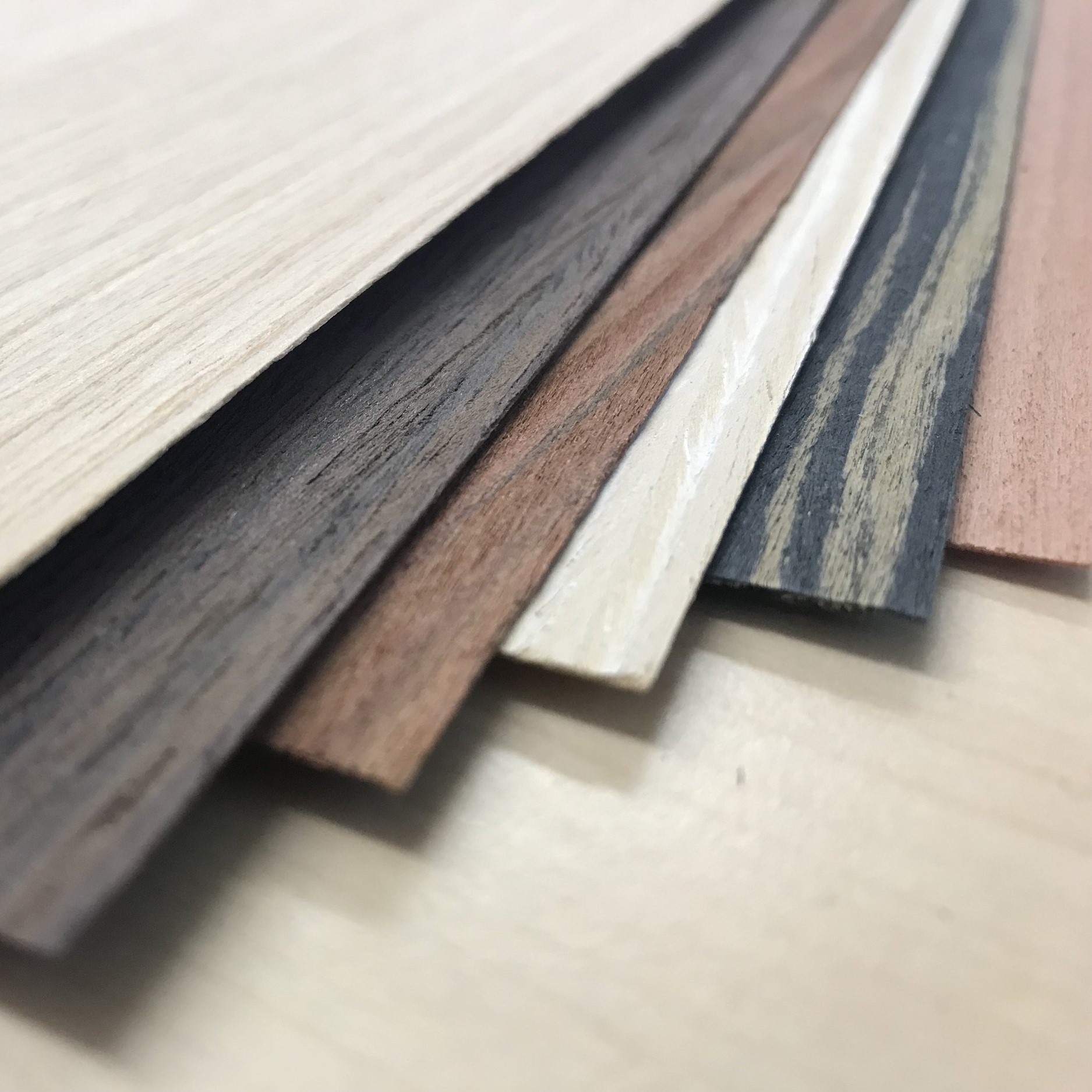
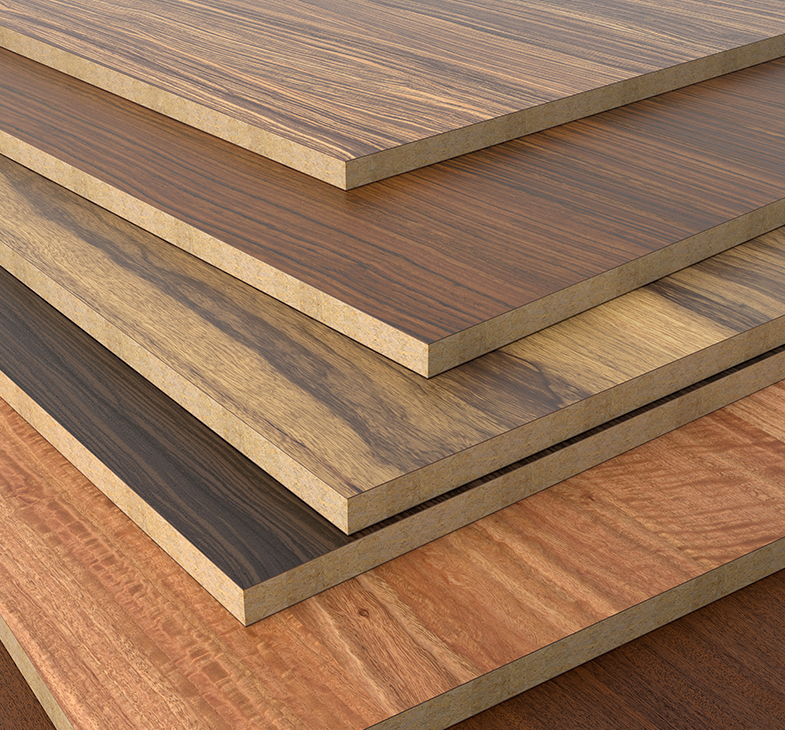
Veneer, a thin layer of wood applied to various surfaces, plays a crucial role in the world of furniture design and production.
Characteristics of Veneer:
Veneer is created by slicing or peeling thin sheets of wood from a larger piece of lumber. It exhibits several distinctive characteristics:
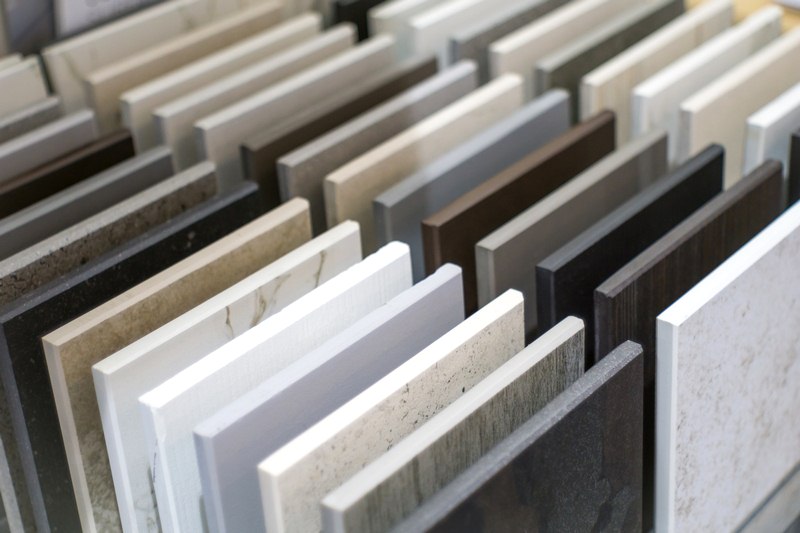
Natural Beauty: Veneer captures the natural beauty of wood, showcasing grain patterns, color variations, and unique characteristics.
Versatility: Veneer can be applied to a variety of substrates, including plywood, MDF, or solid wood, allowing designers to choose the best base for their furniture.
Customization: Veneer offers an array of wood species, finishes, and cuts, enabling designers to achieve specific aesthetics and design goals.
Sustainability: The use of veneer promotes efficient wood utilization, as thin slices are obtained from larger logs, reducing waste.
Advantages of Veneer in Furniture Design:
The use of veneer in furniture design offers several advantages:
Aesthetic Appeal: Veneer provides the rich, natural beauty of wood, making it an ideal choice for creating visually appealing furniture pieces.
Stability: Veneer is less prone to warping, shrinking, or expanding compared to solid wood, ensuring that furniture maintains its shape and structure.
Cost-Efficiency: Veneer can be more cost-effective than using solid wood throughout, making high-end wood species accessible for more consumers.
Design Flexibility: Veneer can be used to create intricate patterns, inlays, and decorative elements, enhancing design possibilities.
Challenges and Considerations:
While veneer offers numerous advantages, there are some considerations and challenges:
Durability: Veneer is not as durable as solid wood, and it may be more susceptible to damage from scratches or moisture if not properly finished.
Matching: Achieving consistent grain and color matching across multiple veneer sheets can be challenging.
Influence on Furniture Design:
Veneer's influence on furniture design is extensive:
Luxury and High-End Furniture: Veneer is often used in crafting high-end and luxury furniture, providing a premium appearance.
Marquetry and Inlays: Veneer allows for intricate marquetry and inlay work, adding depth and detail to furniture surfaces.
Mid-Century Modern: Veneer was prominently used in mid-century modern furniture, contributing to the iconic aesthetic of this design style.
Contemporary Trends:
Veneer's significance in furniture design aligns with contemporary trends:
Sustainability: The use of veneer supports sustainable wood sourcing and efficient resource utilization.
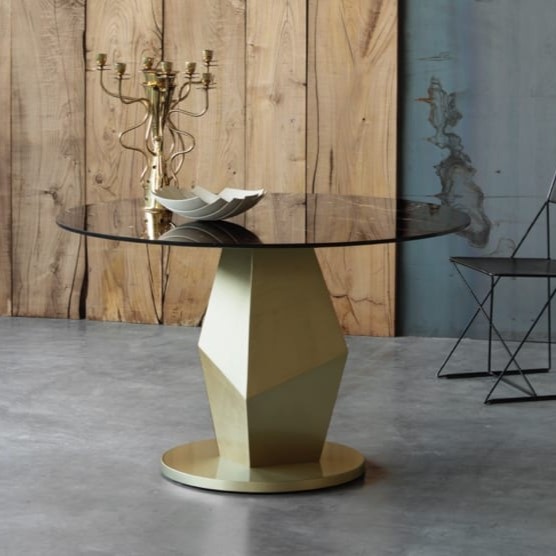
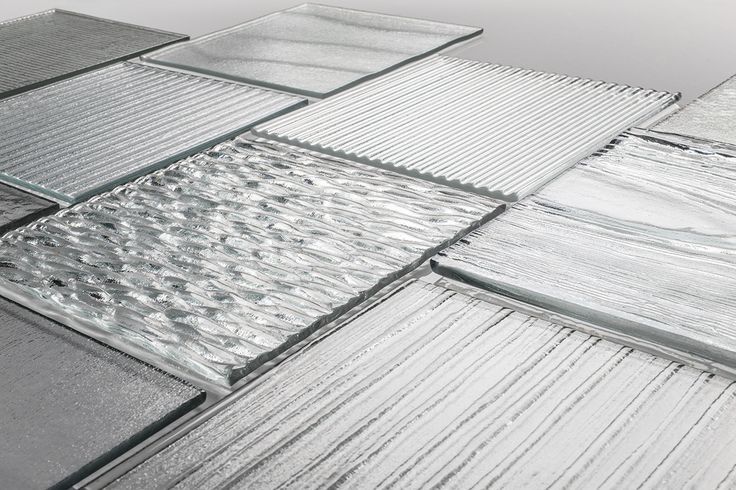
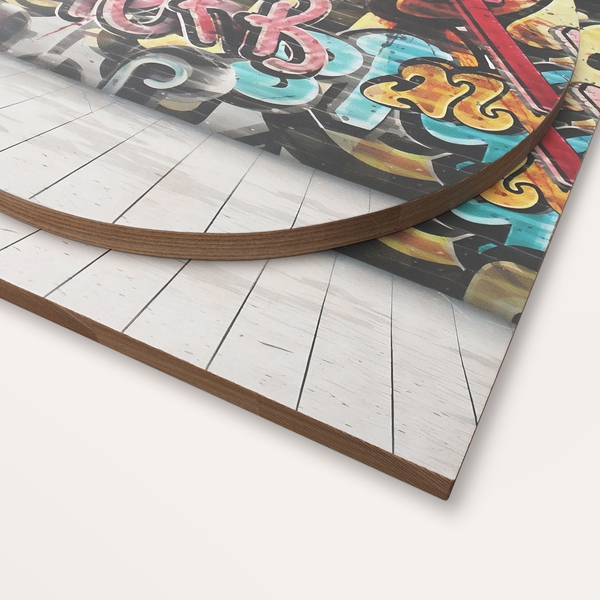
Mixed Materials: Combining veneer with other materials, such as metal, glass, or fabric, is a trend that creates unique and versatile furniture pieces.
Minimalist Aesthetics: Veneer complements minimalist design, emphasizing simplicity and the natural beauty of wood.
In conclusion, veneer, with its unique characteristics, natural beauty, and design flexibility, plays a pivotal role in furniture design and production. Its influence spans various design styles, from luxury and high-end to mid-century modern aesthetics, and its adaptability to contemporary trends underscores its significance in creating environmentally friendly, stylish, and high-quality furniture pieces. As sustainability and eco-conscious practices continue to shape the industry, the role of veneer in producing premium, timeless, and functional furniture remains a crucial aspect of the interior furnishings landscape.


Follow us on Instagram
Stay updated with all that is exciting and new in the furniture industry world.
Follow us on Instagram
Stay updated with all that is exciting and new in the furniture industry world.