Plywood
< Return to materials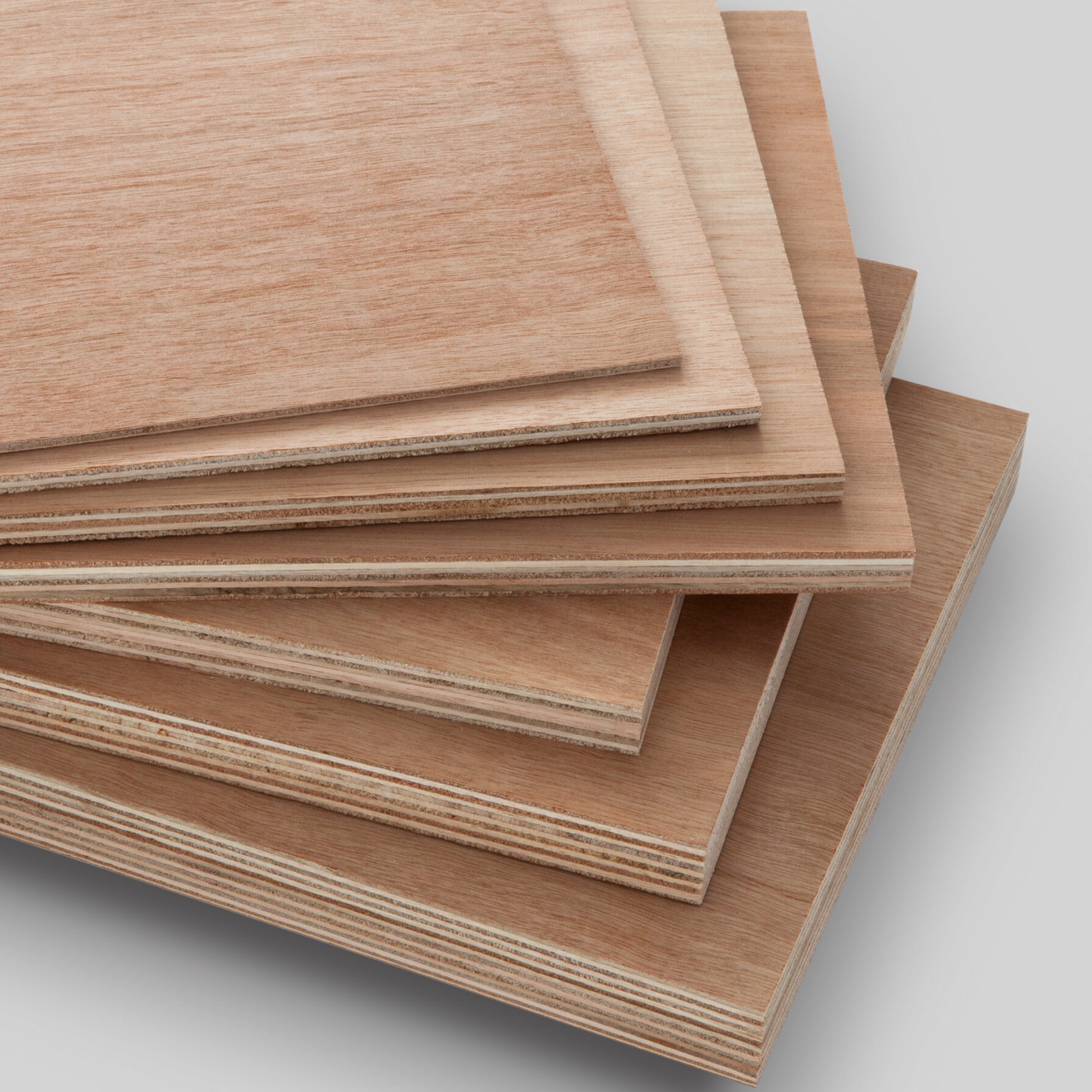
Characteristics of Plywood:
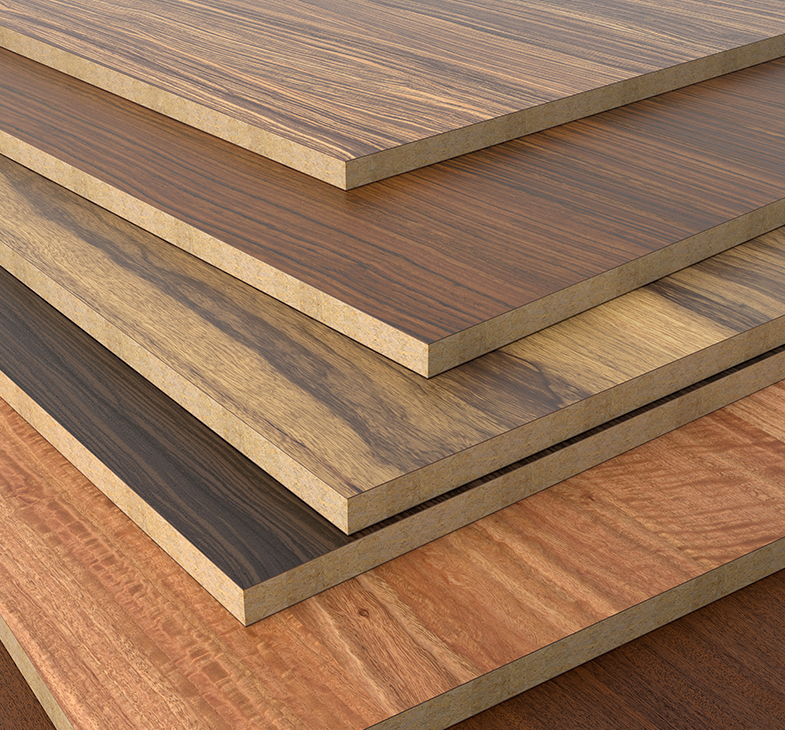
Plywood is a composite material made from layers of thin wood veneers glued together with their grains at right angles to one another. It exhibits several distinctive characteristics:
Strength and Stability: Plywood's layered construction gives it excellent structural strength and stability, making it ideal for a wide range of furniture applications.
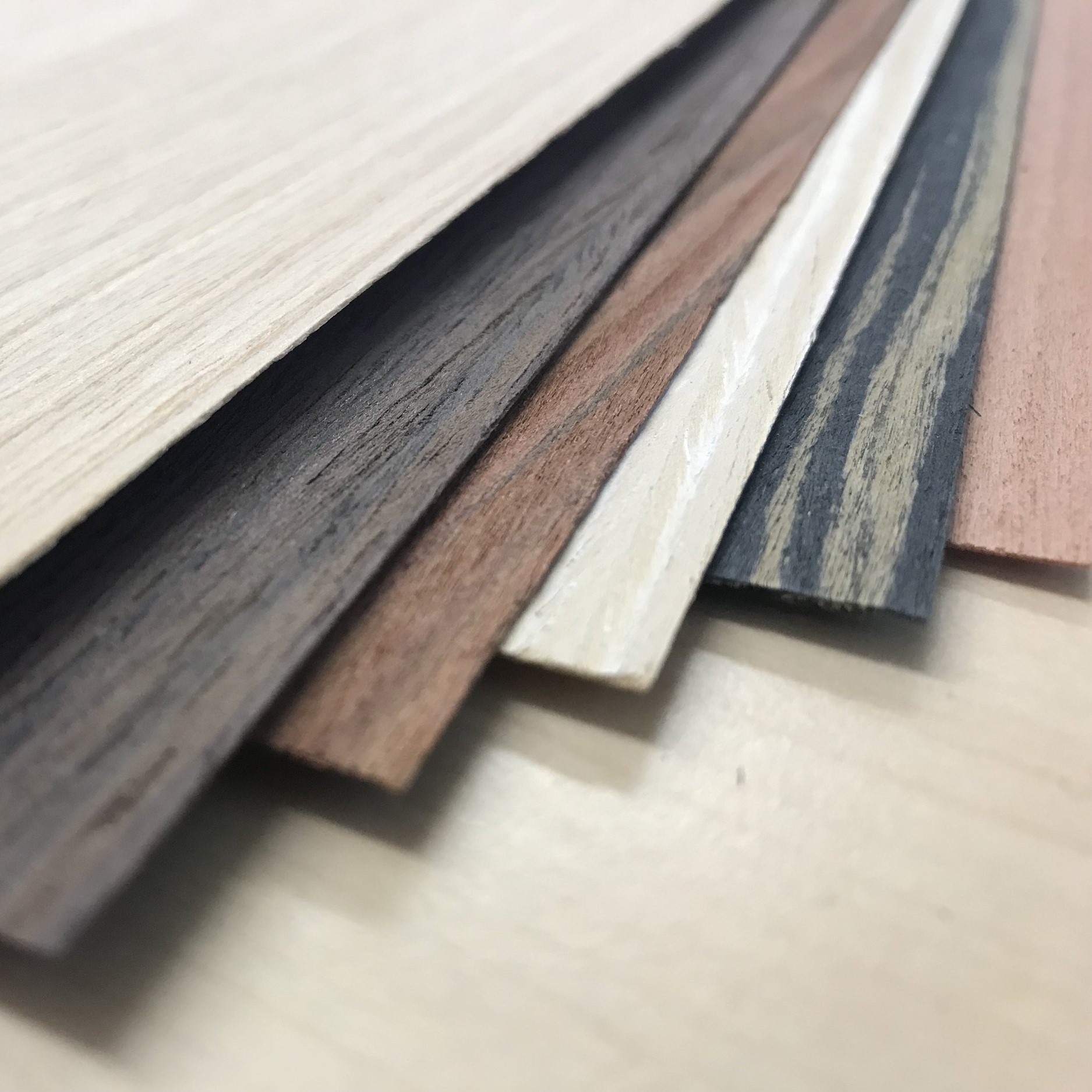
Variety of Wood Species: Plywood can be crafted from various wood species, each with unique colors, grain patterns, and properties.
Dimensional Accuracy: Plywood maintains its shape and dimensions, making it suitable for constructing furniture with large flat surfaces like tabletops and cabinets.
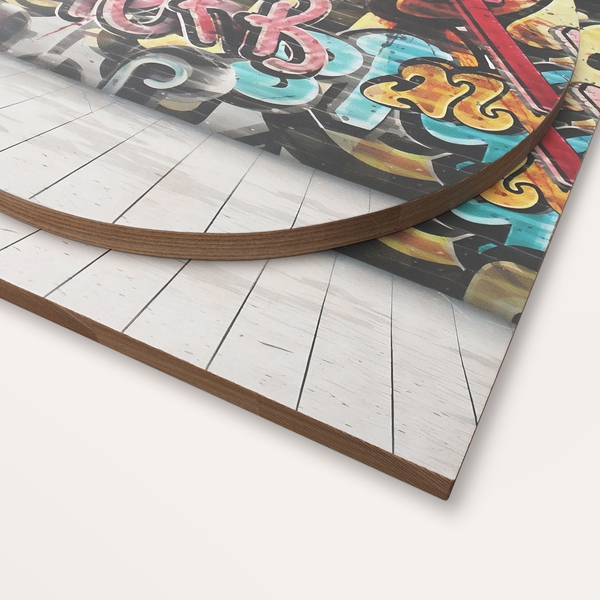
Customizable Finishes: Plywood can be easily customized through staining, veneering, or laminating to achieve specific design aesthetics.
Advantages of Plywood in Furniture Design:
The use of plywood in furniture design offers several advantages:
Strength and Durability: Plywood's layered structure provides exceptional strength and resistance to warping, ensuring the longevity of furniture pieces.
Design Flexibility: Plywood's stability allows for creative design flexibility, making it suitable for a wide range of furniture styles and applications.
Variety of Appearances: Plywood is available in various wood species and veneer finishes, providing designers with a broad spectrum of aesthetics.
Sustainability: Plywood can be made from sustainably sourced wood, contributing to eco-friendly furniture production.
Challenges and Considerations:
While plywood offers numerous advantages, there are some considerations and challenges:
Cost Variability: The cost of plywood can vary significantly depending on the wood species, quality, and manufacturing methods.
Moisture Sensitivity: Some types of plywood can be sensitive to moisture and may require proper sealing or finishing to protect against water damage.
Influence on Furniture Design:
Plywood's influence on furniture design is extensive:
Modern and Contemporary Styles: Plywood is often favored for modern and contemporary furniture designs due to its clean lines, strength, and flexibility.
Iconic Designs: Plywood has been used in some of the most iconic furniture designs of the 20th century, such as the Eames Lounge Chair.
Scandinavian Aesthetics: Plywood aligns well with Scandinavian design principles, known for its simplicity and functionality.
Contemporary Trends:
Plywood's significance in furniture design aligns with contemporary trends:
Sustainability: The emphasis on sustainability has led to the increased use of plywood made from wood sourced from certified sustainable forests.
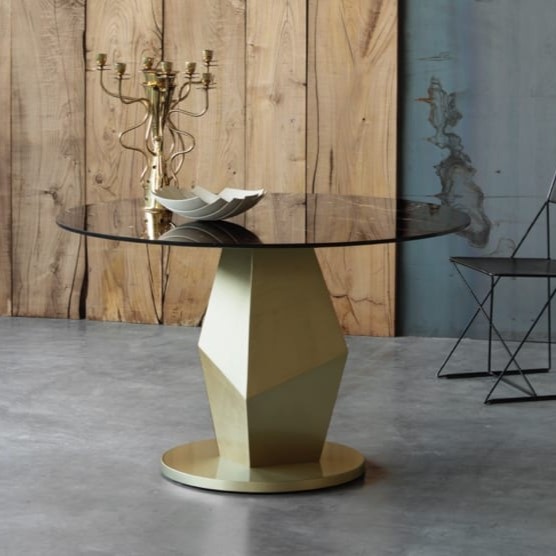
Mixed Materials: Combining plywood with other materials, such as metal or glass, is a trend that creates unique and versatile furniture pieces.
Minimalist Aesthetics: Plywood's natural appearance complements the trend of minimalist design, emphasizing simplicity and functionality.
In conclusion, plywood, with its unique characteristics, strength, design flexibility, and eco-friendliness, plays a crucial role in furniture design and production. Its influence spans various design styles, particularly in modern and contemporary furniture. As sustainability and eco-conscious practices continue to shape the industry, the role of plywood in producing environmentally friendly, stylish, and high-quality furniture remains a pivotal aspect of the interior furnishings landscape.



Follow us on Instagram
Stay updated with all that is exciting and new in the furniture industry world.
Follow us on Instagram
Stay updated with all that is exciting and new in the furniture industry world.